USF in London
  • Home
  • About Me
  • Contact
  • Thoughts before London
  • When in London
  • Post-London :(
  • Home
  • About Me
  • Contact
  • Thoughts before London
  • When in London
  • Post-London :(
Search by typing & pressing enter

YOUR CART

When in London...

6/28/2017 3 Comments

Children's health is not a game... at least not anymore

Picture
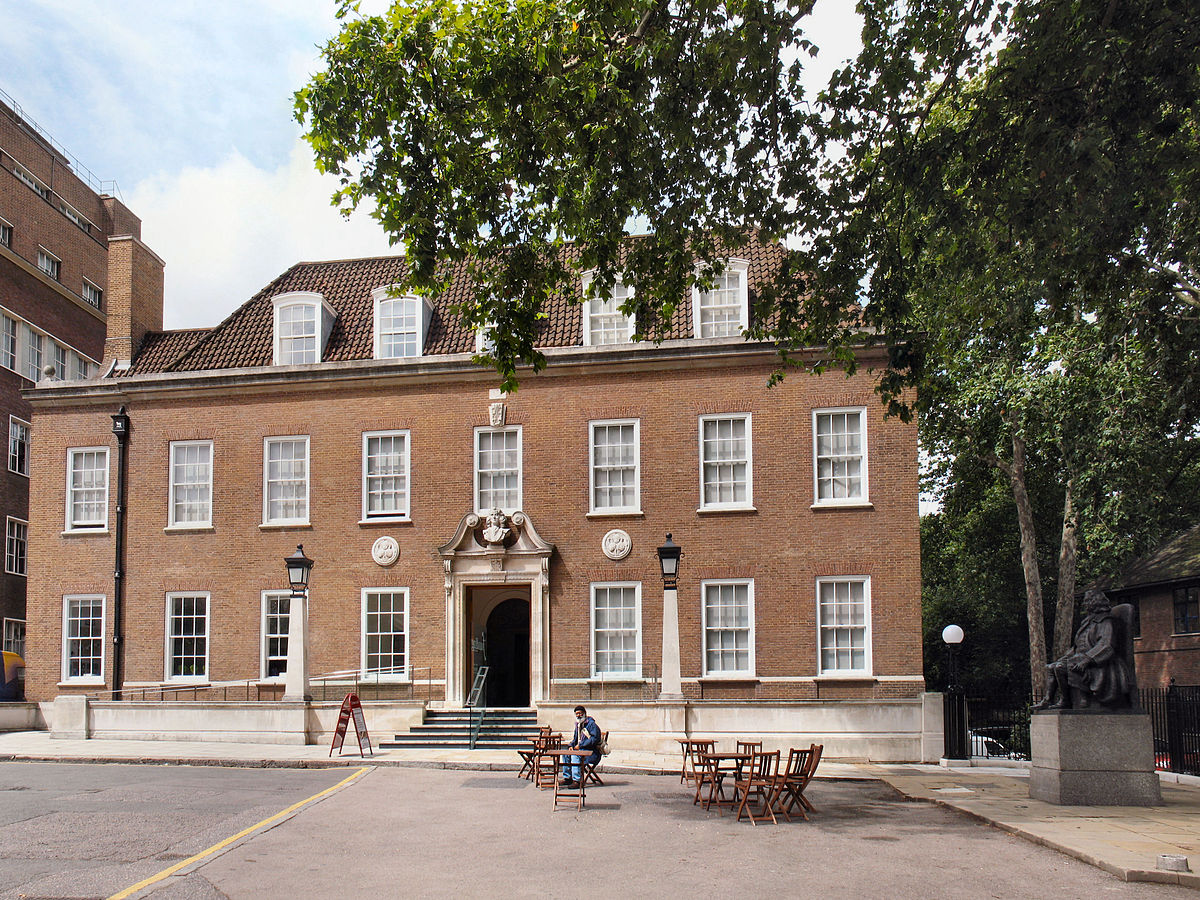
During this walking tour, we passed Foundling museum, which used to be a hospital where sick children that had survived past birth and  infancy would go and enter a lottery to receive treatment. This was considered a generous charity since Great Britain did not possess the NHS or any kind of free healthcare service in the 17th and 18th century. But the crazy part is that this type of care- one that was based on a lottery- was the best treatment that poorer children could receive. 

I am very interested in studying infant and maternal health, as well as serving on medical brigades addressing areas where this aspect of health is poor. So I greatly appreciated hearing in lecture that infant mortality rates are one of the main determining factors of a country's health. If the mortality rate is low, then the country's health and health care is poor. The U.K. was not an exception during the Victorian era. But this tour made me interested in what changed the social paradigm where children were expected to die before the age of seven, and where a lottery was the best they could hope for, because many communities- including some in America- are still faced with this challenge today. 

Although this is not the complete answer, I believe that the creation of the National Health Service replaced the Foundling Hospital on a much larger scale and provided for the needs of the country to improve their infant and maternal care. In effect, a social paradigm was beginning to change and children's health was expected to be better and their lives, expected to be longer because the treatment was better and no longer based on a crude system such as a lottery. 

I also think that the Foundling Museum today has much to teach about healthcare and art. The museum was home to Britain's first public art gallery, and when the museum was a hospital, Thomas Coram also helped the children develop their skills and tend to their mental or emotional health to prepare for the real world. Although this connection is sort of abstract, I see a collision of medical care and art on many levels at this one site, and I think that is what makes it so unique and effective out of the many hospitals established during its time. 

Picture
Image Credits:
Top left: https://www.england.nhs.uk/wp-content/themes/nhsengland/static/img/apple-touch-icon-180x180.png
Top right: https://upload.wikimedia.org/wikipedia/commons/thumb/4/41/Foundling_Museum_-Brunswick_Square_-London_-15July2009.jpg/1200px-Foundling_Museum_-Brunswick_Square_-London_-15July2009.jpg
​​
3 Comments

6/28/2017 2 Comments

London's snowing with inspiration

Picture
Prior to this class or arriving in London, I had only heard about John Snow and the pump. I knew he was a formative figure in the world of public health and epidemiology, so I decided not to look him up before I arrived. I wanted to experience who he was in London where his work began. 

It's crazy to think that someone who refused to believe in miasma was a revolutionary figure, but he was. It's also interesting to me that William Far, the head of the census and the man responsible for expanding its reported demographics failed to see what John Snow saw- a pattern of high mortality around water sources. On the walking tour, it was interesting to see how different points in history collided and led to the pump. I'm sad that they removed the replica, but I thought it was so cool that we were in the exact area where cholera broke out and the germ theory essentially began. 

This tour and lecture gave me a far better understanding and heightened appreciation for the census and its role in epidemiology. There are people behind every statistic and I now see the importance of these statistics in ensuring public health safety. Therefore, I'd like to learn more about how statistics regarding public health have affected the treatment of new outbreaks such as Zika and Ebola. I'd also like to explore or at least answer the question, "does the CDC use the mortality and morbidity rates in other countries to predict an infectious disease's affect on the American population?" 

I think the courageous and rule breaking attitude of John Snow is somewhat appalling, yet inspirational in hindsight. Most health professionals today do not defy or even question the medicines or treatments they offer their patients or try to examine how a community's well being affects their patients. I think the biggest lesson I learned from John Snow is thinking outside of the box and taking action to improve the quality of life for people I pledge to help in the medical field. 

2 Comments

    Author

    Write something about yourself. No need to be fancy, just an overview.

    Archives

    July 2017
    June 2017

    Categories

    All

    RSS Feed

Powered by Create your own unique website with customizable templates.